
Geotechnical Engineering
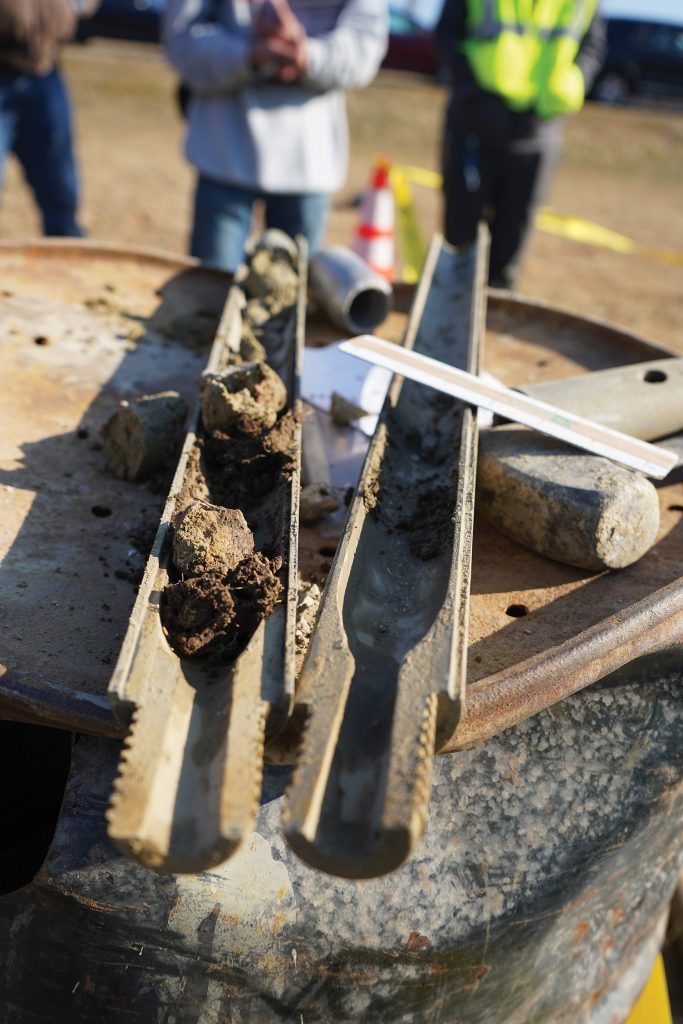
S.W.COLE’s geotechnical engineers support owners, designers, and contractors with practical, data‑driven solutions for site development, buildings, and infrastructure projects. We evaluate subsurface conditions, identify potential challenges, and clearly lay out options to help projects move forward with confidence.
Our collaborative, team‑oriented approach and focus on practical solutions are why most of our work comes from repeat clients and referrals from trusted partners who value our responsiveness, technical expertise, and reliability.
Understanding the Ground Beneath Your Project
Everything built on earth depends on the earth for support. From buildings and schools to roads, bridges, airports, and waterfront structures, subsurface conditions play a critical role in the performance of infrastructure.
Our geotechnical engineers explore and characterize soil, bedrock, and groundwater conditions early in the process, helping project teams make informed decisions that can reduce risk, manage cost, and improve constructability.
Core Geotechnical Services
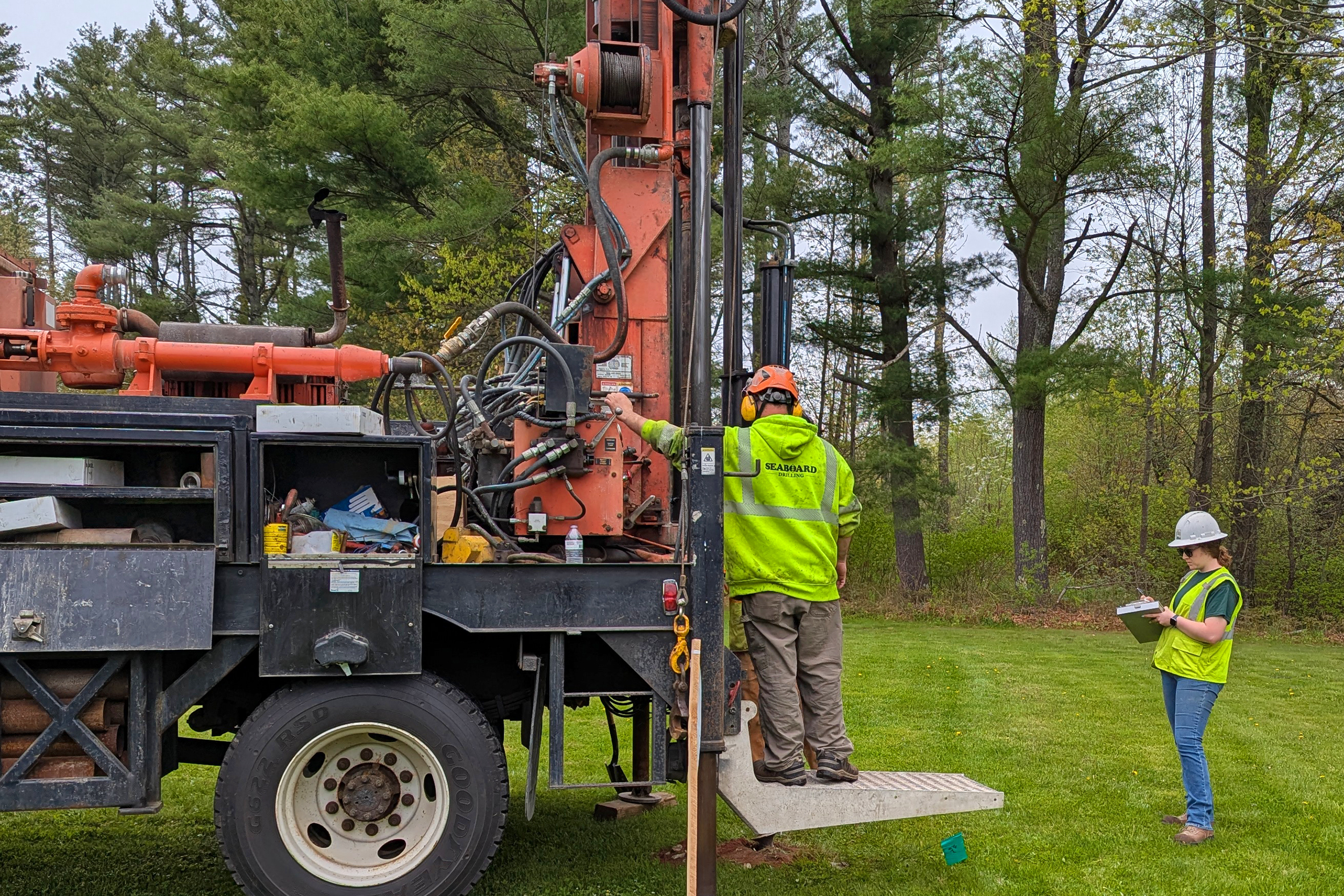
Site Characterization & Subsurface Exploration
We tailor subsurface exploration programs for each site to evaluate soil, bedrock and groundwater conditions relevant to design and construction. Our findings support recommendations related to:
- Foundations
- Earthwork and grading
- Pavement systems
Exploration programs are designed to balance technical needs, project scale, schedule, and budget.
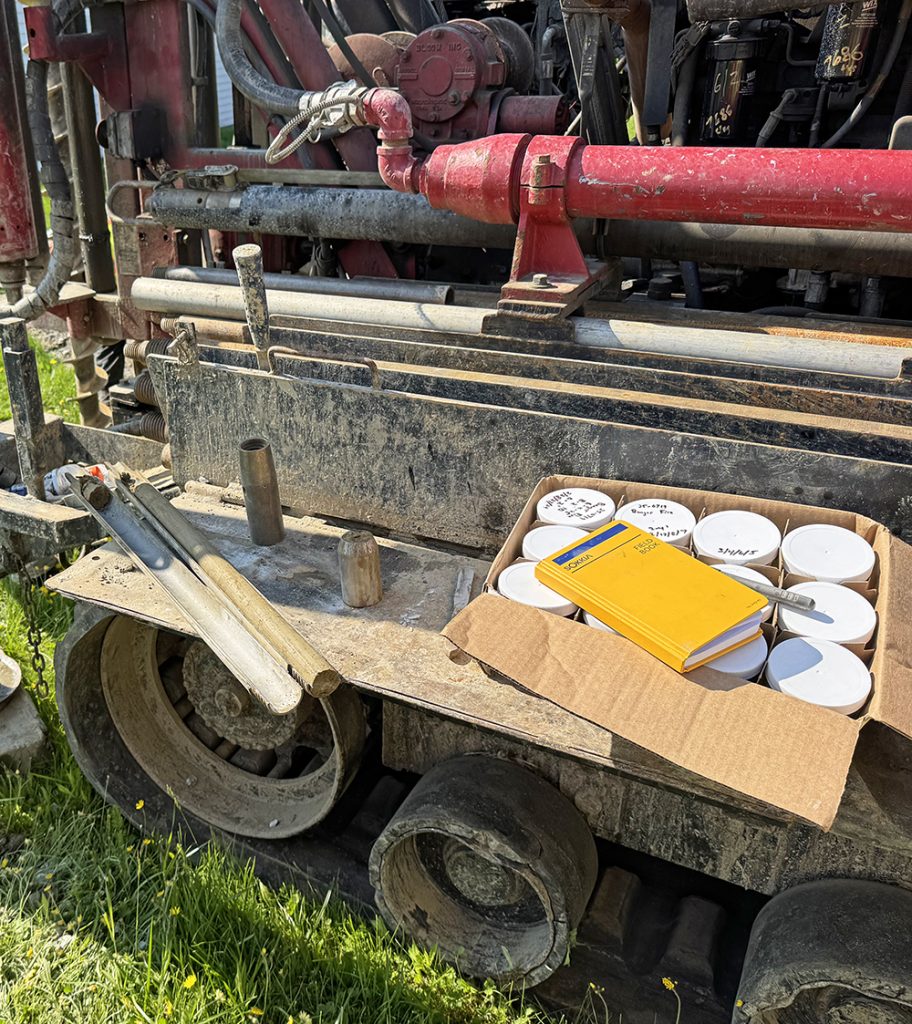
Foundation Recommendations
Our engineers work collaboratively with design teams to evaluate foundation options suited to site‑specific subsurface conditions and performance requirements. We have experience with a broad range of foundation systems, including:
- Shallow spread footings
- Insulated foundation systems
- Deep foundations, including drilled shafts, drilled micropiles, timber piles, and steel piles
- Ground improvement methods to enhance foundation performance
Our goal is to help clients get practical value and performance from a site’s subsurface conditions.
Pavement Engineering & Management
We help owners evaluate pavement condition and develop cost‑effective maintenance or rehabilitation strategies—such as crack sealing, overlays, reclaim‑and‑overlay, or full‑depth replacement—to extend pavement life and manage long‑term costs.
Our pavement management services support:
- Municipalities
- Airports
- Healthcare campuses
- Schools and universities
- Organizations with large pavement networks
Implementing preventive maintenance before rapid deterioration occurs can help protect pavement investments.
Earthwork Considerations
Our geotechnical engineers help project teams make informed grading and earthwork decisions by evaluating soil, bedrock, and groundwater conditions, with an emphasis on:
- Reuse of suitable onsite materials
- Minimizing export and import of soils
- Coordination with site designers to reduce construction costs
Designing earthwork solutions that respond to existing terrain can provide meaningful economic and constructability benefits.
Ground Improvement Recommendations
Subsurface conditions across New England vary widely, from soft marine clays and urban fill to liquefiable sands and shallow bedrock. We help evaluate and design ground improvement solutions tailored to site‑specific challenges.
Our experience includes:
- Removal and Replacement
- Preloading
- Surcharging with prefabricated vertical drains
- Aggregate piers
- Rigid inclusions
- Compaction grouting
- Soil Amendments
We support ground improvement projects by recommending appropriate methods, reviewing contractor designs and submittals, and observing construction to help confirm proper implementation.
Slope Stability & Earth Retaining Systems
Unstable slopes can disrupt projects and pose risks to property and infrastructure. Our engineers design stable earthen slopes and earth retaining systems, including mechanically stabilized earth (MSE) and Segmental Retaining Walls (SRW), to address slope instability or support grade changes associated with development.
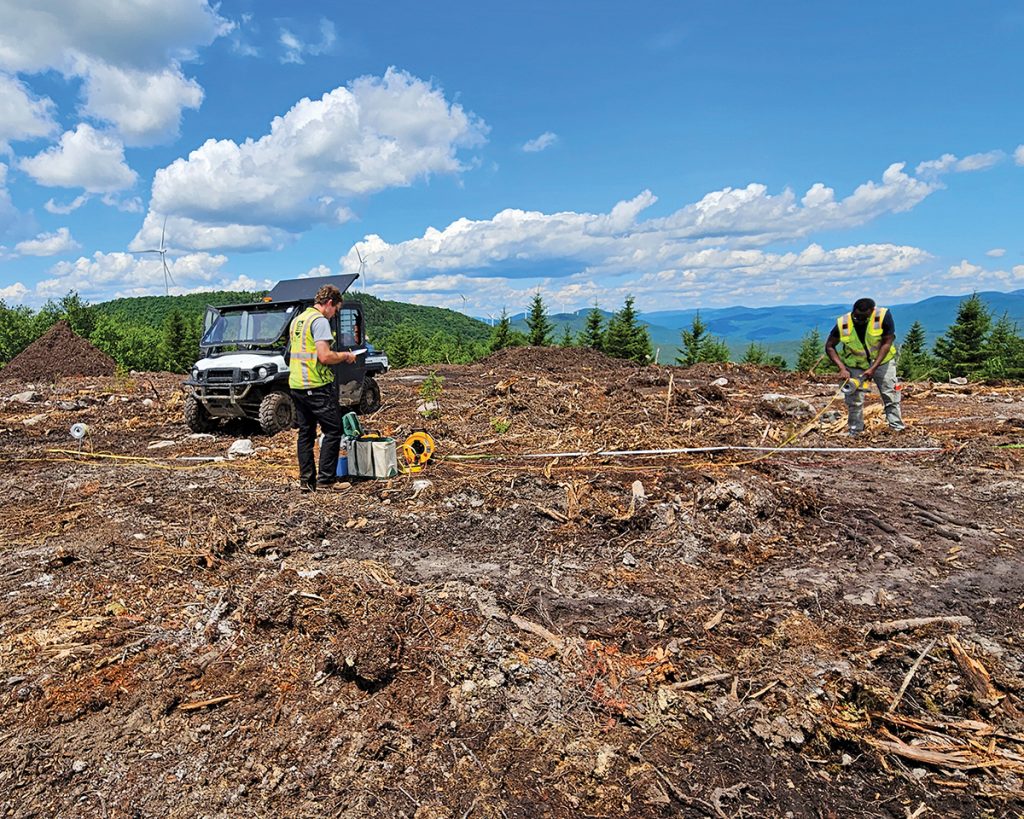
Additional Geotechnical Capabilities
In addition to our core services, S.W.COLE provides:
- Liquefaction analysis (including CPT‑based evaluations)
- Earthen dam stability and seepage analyses
- Thermal resistance and electrical resistivity testing
- Stormwater infiltration testing
- Forensic investigations and expert witness services
- Geotechnical instrumentation design and monitoring
- LPile analyses for laterally loaded structures
- Settlement and consolidation evaluations
Geotechnical Data vs. Geotechnical Engineering
Some clients engage us solely to collect geotechnical data—such as soil samples, logs, and groundwater observations. Other projects require both data collection and geotechnical engineering services, where we analyze that information and develop project‑specific recommendations.
We tailor our level of involvement to meet each client’s needs.
Frequently Asked Questions
Ideally during the conceptual or early design phase. Early input can help identify constraints, reduce risk, and reveal opportunities to optimize design.
Site access details, existing utilities, site layout and grading concepts, concept plans, and the anticipated construction schedule. Existing utility information is especially important when planning subsurface exploration programs on urban and suburban sites.
Proposals are typically provided within approximately one week of receiving project information. Field exploration is often scheduled within 2–4 weeks after authorization. Data Reports are generally issued within two weeks following explorations and fieldwork. Engineering Reports are typically issued within 2-4 weeks following explorations and laboratory testing.
Yes. We may provide design support, respond to RFIs, review submittals, observe construction, and transition work to our Construction Services team as needed.
Yes. Subsurface exploration and geotechnical services continue throughout the year, including during winter conditions. Thunderstorms, extreme cold, and other severe weather may delay fieldwork, but only for the duration of those conditions.